
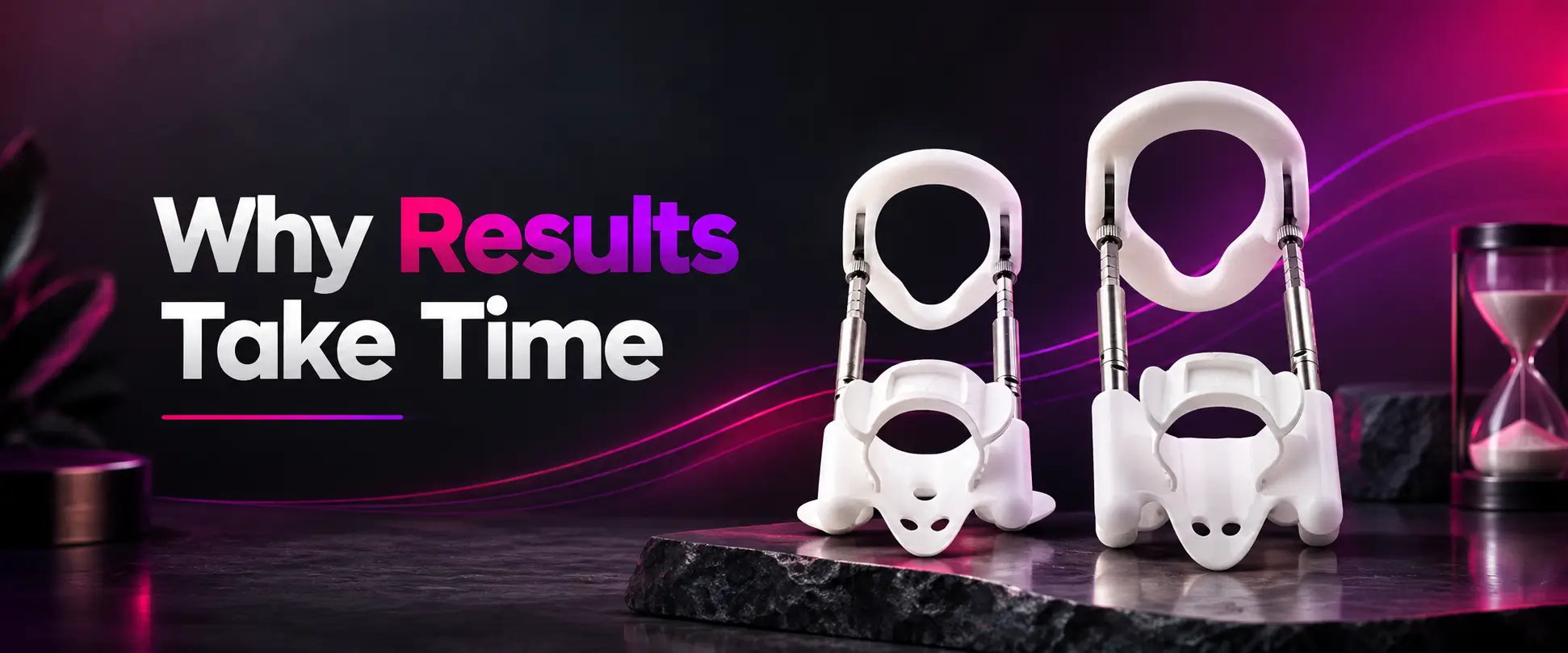
If you’ve ever compared your progress with someone else and felt frustrated because they seemed to be seeing faster results, you’re not alone. Many people start their enhancement journey expecting a straightforward timeline, only to realise it doesn’t work the same for everyone.
The truth is, there are several reasons why progress varies from person to person. Understanding these factors can help you set realistic expectations and stay consistent without unnecessary stress.
Everyone Starts From a Different Point
One of the biggest factors in progress speed is your starting point. People come into this process with different physical conditions, tissue elasticity, and even varying levels of previous experience.
Someone who has naturally more pliable tissue might notice changes sooner, while others with firmer connective tissue could take longer. That doesn’t mean one person will end up with better results than another, it just means the journey will look different.
Consistency Makes a Huge Difference
There’s no getting around it — consistency plays a massive role in how quickly results show. Wearing an extender regularly and sticking to the recommended routine keeps the tissues under steady traction, which is what encourages gradual change.
On the flip side, skipping days too often can slow the process. Think of it like going to the gym. Missing one or two days here and there won’t ruin your progress, but making it a habit will keep you from moving forward at the pace you want.
Wear Time and Duration Matter
Some users can commit to longer wear times each day, while others have schedules that make it harder. The more time spent under safe and comfortable tension, the more opportunities your body has to adapt.
That said, it’s not always about pushing for maximum hours. Overdoing it too soon can lead to discomfort, which might cause breaks that slow progress even more. The key is finding the sweet spot where you can wear it comfortably for a set period every day without feeling burnt out.
Tension Levels and Gradual Adjustment
Tension is another area where differences show up. Some people start with higher tension and adapt quickly, while others need more time at lower levels before increasing.
Raising the tension too quickly might cause strain, which leads to more rest days and ultimately slows progress. On the other hand, increasing it gradually when your body is ready helps you keep moving forward without setbacks.
Body’s Natural Healing and Adaptation Speed
Everyone’s body responds differently to physical stress and adaptation. Some people naturally heal and adjust faster, which means they can increase wear time or tension sooner. Others may need more recovery time before they can make similar adjustments.
Your body’s ability to generate new cells and remodel tissue plays a big role here, and this is largely influenced by genetics, nutrition, and overall health.
Age Can Play a Role
Younger users sometimes notice changes sooner because their tissues are generally more elastic and adapt more quickly. That doesn’t mean older individuals can’t see great results — it just means the timeline might be a little longer.
Age also influences recovery. Someone in their 20s or 30s might bounce back from minor soreness faster than someone in their 50s or 60s. This can affect how often and how long they can wear their device.
Lifestyle and Habits Impact Progress
Your day-to-day habits can either support or slow your results. Things like diet, hydration, sleep, and stress all affect how well your body responds to traction.
A nutrient-rich diet with enough protein supports tissue repair. Staying hydrated keeps your skin and tissues supple, making them more responsive to stretching. Quality sleep allows your body to recover and adapt overnight. Even stress levels matter, because high stress can interfere with how well your body heals.
Technique and Fit
Not all users wear their extender in exactly the same way. Small differences in how the device is positioned, the type of support used, and how securely it fits can all influence progress.
If the fit is slightly off, you might be putting more pressure in certain areas and less where it’s needed. A comfortable, balanced fit ensures that traction is evenly distributed, which helps the process work more effectively.
Listening to Your Body
One mistake some users make is ignoring early signs of discomfort. Pushing through pain can lead to irritation or minor injury, which forces a break in routine. These breaks slow progress and make it harder to get back into the habit.
The people who tend to see steady results are often the ones who make small adjustments along the way to stay comfortable. They recognise when to ease off and when to push a little more.
Comparing Progress Can Be Misleading
It’s tempting to look at someone else’s timeline and use it as a benchmark for your own, but this often leads to unnecessary frustration. Two people can follow the exact same plan and still see results at completely different speeds.
Progress photos and stories can be motivating, but they should be taken as inspiration, not an exact roadmap. What matters most is how you’re improving compared to where you started.
Setting Realistic Expectations
The most satisfied users are usually the ones who set realistic goals from the beginning. They understand that changes take time and that the process is gradual.
Instead of focusing solely on the end result, they pay attention to small milestones along the way — things like improved comfort at higher tension, longer wear times, or even subtle visual changes. These markers help maintain motivation when the bigger changes still feel far off.
How to Keep Progress Moving
If you feel like your progress is slower than expected, it might help to review your approach:
- Are you wearing it consistently enough each week?
- Is your tension level appropriate for your comfort and progress stage?
- Are you supporting your body with good nutrition and rest?
- Is the fit as secure and comfortable as it could be?
Sometimes, even small adjustments in these areas can make a noticeable difference over time.
The Bottom Line
Results vary because people’s bodies, habits, and starting points vary. The key is to focus on your own journey, make steady adjustments, and commit to a routine that you can stick with for the long term.
When you understand the factors that influence speed, it’s easier to accept the process and stay motivated. Some will see changes sooner, others later, but with consistency and patience, progress is always possible.