
Quick Extender Review: My Experience and the Problems I Faced
Our rating: 3/5
I never imagined I would write a negative review, but my experience with the Quick Extender kit left me frustrated and worried. I had read some positive stories online and thought this device might finally work after trying a few other products without much success. At first, everything seemed fine, and I followed the instructions closely.
But within days, I began feeling discomfort that quickly turned into pain. It started as a dull ache, and I assumed it was normal for a traction device. Unfortunately, it didn’t go away, and I started noticing redness and slight swelling. This Quick Extender review shares my story from excitement to disappointment, the injury I sustained, and how I had to seek medical attention to recover. I hope it helps anyone considering this device to be cautious.
Why I Tried Quick Extender
I had been looking for a device that promised results without too much effort. My past attempts with other kits had been uncomfortable but mostly safe, so I thought Quick Extender might be different.
The product’s marketing promised ease of use and visible improvements within a few weeks. I was drawn to the idea of a device I could use at home with minimal setup. I wanted something that felt safe and reliable, and the reviews I read initially suggested that it was well-built and effective.
Unboxing and First Impressions
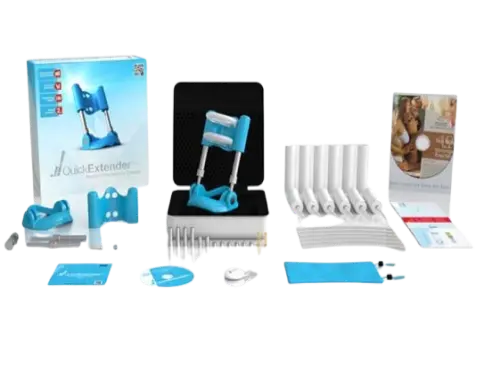
When the kit arrived, I felt optimistic. The box contained the traction device, several extension rods, a comfort strap, and a basic manual.
At first glance, the materials seemed sturdy enough, and the comfort strap looked like it might prevent irritation. The instructions were simple, and I thought the design was easy to figure out. I expected a device that would be comfortable to wear, and initially, it seemed that way.
First Signs of Trouble
I started with short sessions as recommended in the manual. The first session felt slightly uncomfortable, but I attributed it to being new to the device.
After the second session, I noticed redness and soreness that lasted longer than expected. By the third session, the pain became sharper and started affecting the surrounding areas. I realized this was more than normal adjustment discomfort.
Escalating Pain and Anxiety
The next few days were worse. I tried adjusting the tension, thinking maybe I had used too much force, but nothing helped. The device started digging into sensitive areas, and the swelling increased.
I was worried, but I kept using it for a couple more sessions, hoping it would get better. Instead, the discomfort became unbearable. Simple movements caused pain, and I began fearing I had caused lasting damage.
Seeking Medical Attention
After a particularly painful session, I finally decided to see a doctor. I was embarrassed to admit I had injured myself with a home device, but I knew I couldn’t ignore it.
The medical professional examined the affected area and confirmed that I had sustained soft tissue damage, likely from improper tension and pressure points caused by the Quick Extender device. I was advised to stop using the kit immediately and follow a recovery plan, including rest, topical care, and light rehabilitation exercises.
Recovery Process
Recovery took several weeks. I had to be very careful with movement and avoid any activity that could strain the area. The swelling gradually reduced, and the soreness faded, but it was frustrating to realize how much time and effort I had lost.
During this period, I reflected on my experience with the device. The quality of the materials alone did not prevent injury. Comfort straps were not sufficient to protect against improper alignment, and the instructions failed to emphasize the risks of over-tension or incorrect setup.
Lessons Learned
This experience taught me to be extremely cautious with devices that promise results with traction. Even a well-constructed kit can cause injury if the fit or tension is not ideal for your body.
It also highlighted the importance of listening to your body. Early signs of pain or swelling should never be ignored. Consistency is important, but safety is more critical. No device is worth risking long-term injury.
What Went Wrong
Several factors contributed to the injury. The design does not fully account for individual anatomical differences.
The comfort strap only covers certain areas, leaving pressure points that can cause tissue strain. The instructions were generic and did not clearly explain how to monitor pain or adjust tension safely.
Additionally, the temptation to increase tension quickly in hopes of faster results led me to push beyond what my body could safely handle. This combination of factors made injury almost inevitable for someone like me, who is not experienced with traction devices.
Is Quick Extender Worth It?
Based on my experience, I cannot recommend the Quick Extender kit. While it may work for some users, the risk of injury is significant, especially for beginners or anyone not extremely cautious.
The design and instructions alone are not enough to guarantee safety. In my case, the cost of the device was outweighed by the pain, medical visits, and weeks of recovery required after using it.
Final Thoughts
I wish I had been more careful or researched alternatives before trying Quick Extender. The promise of easy results is tempting, but it came at a personal cost.
This Quick Extender review is my honest account. The device caused injury and required medical intervention, and I hope my story serves as a warning. If you consider using it, proceed with extreme caution, monitor your body closely, and do not push beyond what feels safe.